



The End of Your Car Lease: The 4 Steps You Should Follow
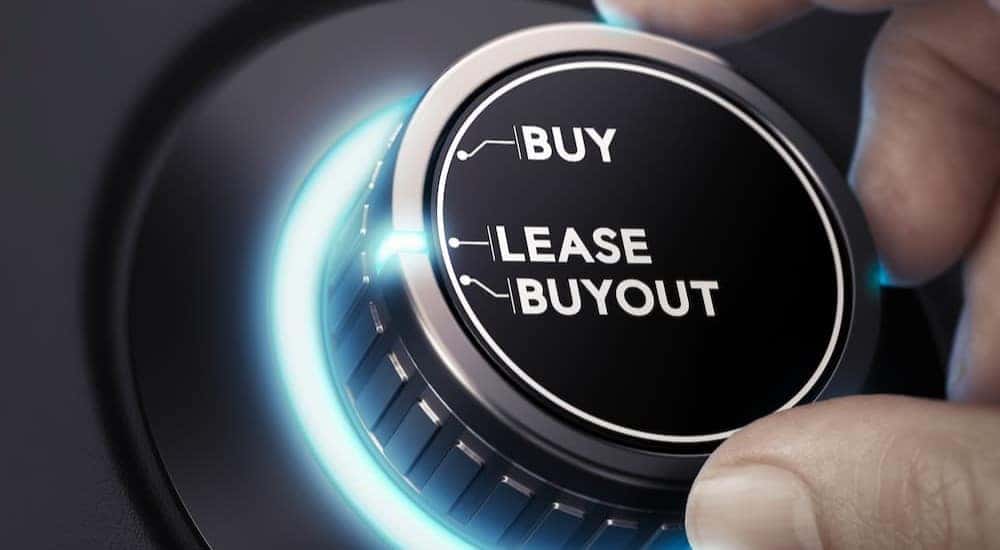
Have you had your leased car for three years? Chances are this investment has paid off. But now that it’s time to move on, deciding what to do next can be tricky. Before the pandemic shook up the car market, most people traded in their leased vehicles. Supply chain and microchip shortages have led to substantial value increases, however, and savvy consumers can capitalize on that extra value. If you leased your vehicle two years ago, chances are that car is worth more than what was initially estimated in your contract.
With millions of Americans near the end of their car lease, it’s time to take stock and make an informed decision about what comes next. You have a few options and will want to take advantage of this opportunity. When your VW lease deals are up, here are four steps to make the most out of the situation.
1. Know Your Options
If you’re nearing the end of your lease agreement, there are multiple options to close it out. The car dealership or leasing company typically offers three straightforward paths.
Option 1: Turn Your Vehicle In
You can walk away from your vehicle when the lease is up. It’s important to remember that with this option comes additional fees, such as a disposition fee, and possibly excess mileage charges if it has been driven beyond the allowance given in the contract. How much are you expected to pay at the end of your contract? The disposition fee is typically between $300 and $500. So check out that all-important disposition fee listed in your contract.
Get a jump on the end of your lease by booking an inspection two months in advance. Many leasing companies offer complimentary inspections who will come to you so that everything is taken care of before it’s time for turnover. Your lease agreement may come with charges for damages made or excessive wear and tear during its duration.
Taking care of your leased vehicle throughout your ownership period will ensure a smooth transition when it’s time to hand back the keys. Ensure you’ve kept up with necessary maintenance tasks like oil changes and tire rotations, and check for any minor dings or scratches that may require attention before return. Consider having an inspection done beforehand for added security and peace of mind. Expert assessors will review your leased car to determine if additional fees apply, to make sure there are no surprises. By doing your inspections and maintenance before turning in the car, you ensure you only pay for what is necessary. Avoid costly bills by taking care of these items yourself. It may save more money than if left to chance. An inspection will clarify what needs fixing, so there are no unpleasant surprises during the lease-end process.
Option 2: Buy the Car
When a lease ends, drivers have the option to buy their vehicle. Although this choice is only sometimes advised, there can be some practical reasons to do so, making it an attractive alternative for those considering taking advantage of the opportunity. Remember the one-time fee mentioned in your agreement when you’re ready to buy your leased vehicle. It shouldn’t be a huge surprise as it’s listed there from the start, but we understand that three years can fly by, and this fee could have slipped under the radar. The amount is usually between $300 and $400, so make sure to factor it into budgeting for buying back your lease.
Before investing in a car, it’s essential to make sure you know exactly what you’re getting. An inspection can give you vital insight into any flaws that could reduce the vehicle’s value and help determine whether purchasing or trading in is best for your situation. As you prepare to buy your car, keep an open mind. You don’t have to stick with the same location for financing. Consider shopping around for lower rates and better deals on car loans.
Signing the paperwork is only one part of securing your new vehicle. You’ll also have to verify the odometer mileage and pay sales tax on your purchase. Once that’s all sorted, you need only wait to receive your title in the mail.

Option 3: Trade In the Car and Lease a New Vehicle
As dealers strive to meet the growing demand for used cars, they are taking extra steps to ensure customers’ satisfaction. Those who keep leasing with them can expect a more seamless transition into their next lease, thanks to early exit opportunities and cost-effective deals. So if you’re looking for an upgraded ride without breaking your budget, consider returning as a repeat customer. Additionally, some vehicle manufacturers reward customer loyalty with great incentives. Enjoy benefits like waived turn-in fees, first payment assistance, and discounts when you stick to the same vehicle brand.
Before you sign the dotted line on that new car lease, please do yourself a favor and get it inspected. It won’t cost anything extra and will give you valuable insight to make an informed decision. Take advantage of manufacturer lease loyalty programs if you want to switch up your ride and get a new car from the same maker. There’s no better way to stay true to what you love while mixing things up.
Ready for a new ride? With your dream car picked out, you can head down to the dealership and sign that lease agreement. Whatever vehicle you choose, signing the lease with your dealership or leasing company will open up an exciting chapter of driving pleasure. With that signature comes a brand-new set of monthly payments and another journey filled with possibilities.
2. Review Your Lease Contract
As the finish line approaches on your lease, dig out that lease contract. Around 120 days before it’s over, you’ll want to start getting familiar with anything related to the residual or lease-end value. Knowing your residual value is essential when leasing a vehicle. This figure determines the purchase price at the lease end and remains fixed throughout the rental term. If you’re renting a car, knowing your vehicle’s worth is essential. Taking the time to determine if there is any equity in your leasing can make all the difference when making future financial decisions.
Leasing a vehicle can often mean significant savings, as dealerships now see more cases in which vehicles have increased in value beyond the actual residual worth at the lease end. In certain circumstances, this factor could result in massive savings for those wishing to purchase their leased car outright.
3. Determine Your Leased Car’s Value
Pinpointing the exact value of your vehicle can be tricky, but it’s worth the time to do the research. KBB, Edmunds, and NADA may provide some hints, but they tend to be more reliable when estimating values for newer vehicles. Making decisions about a lease can be tricky. Online values may seem preposterously high, but in some cases the actual worth of something is much lower. It’s important to consider all factors and not rely on any single website source for your decision making process.
For an accurate result, please seek professional advice to get right on track with determining your car’s actual value. Get the most out of a car dealership. You have the power to take control and get what you deserve. Speak with a used car manager who can provide great insights into how much your vehicle is worth should you decide to sell it.
4. Contest Excessive Fees
Negotiating isn’t just for leases. If you think your fees are too high, haggle away! These savings could put some extra money back in your pocket, from over-mileage charges to wear and tear costs. You could be eligible for waived fees if you purchase your leased vehicle. If that’s not an option, consider leasing another model from the same dealership. Either way, additional savings will abound.
End Your Car Lease, Confidently
The time has come to decide what you’ll do with your car. Option one: turn it in and pay a termination fee. Option two: purchase it along with any taxes that might be due. Or choose option three and lease something new. When it comes time to end your vehicle lease, you should be prepared. Take advantage of potential extensions of up to six months, and make sure the paperwork is done right. Avoid any costly surprises by doing research beforehand and getting organized.
Leasing a car can come with its fair share of up and downs, but you don’t have to be intimidated when it comes time for the lease’s end. With careful consideration of your options and some prior planning, finishing off the leasing process doesn’t need to cause any stress or concern. Not sure if you should lease or buy? Now is the perfect time to explore your options. Our Bud Clary Auburn Volkswagen team is standing by and ready to help guide you through the lease buyout process, quick financing solutions, and attractive terms that could make owning easier. Stop by our dealership today for the best end-of-lease terms in Auburn.
0 comment(s) so far on The End of Your Car Lease: The 4 Steps You Should Follow